The molten material in the interior of the Earth’s surface is known as magma, and this magma occasionally tries to seep through cracks or weak areas to the Earth’s surface. Rocks that are formed by the cooling of magma are called igneous rocks. The portion of lava that comes to the surface cools rapidly and forms a non-crystalline rock called trap or basalt. The rest that remains underground cools slowly and forms a crystalline rock called granite. Igneous rocks are classified into the following three types:
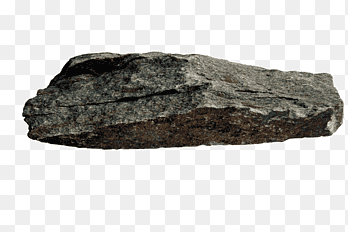
1.Volcanic rocks: In the case of these rocks, solidification of magma takes place on or near the surface of the earth. The cooling is very rapid as compared to the previous two cases. Hence, the rocks are extremely fine grained in structure. Basalt is an example of this type of rock.
2.Plutonic rocks: They are formed by the cooling of magma at a considerable depth from the earth’s surface. The cooling is slow and the rocks possess coarsely grained crystalline structure. This rock is mostly used for construction purposes. Granite is the leading example of this type of rock.
3.Hypabyssal rocks: They are formed by the cooling of magma at a relatively shallow depth from the earth’s surface. The cooling is quick and, hence, the rocks possess a finely grained crystalline structure. Dolerite is an example of this type of rock.
Leave a Reply